Tractor Supply Company (TSC) serves as a vital resource for numerous farmers across the United States, providing essential agricultural supplies. However, the extent of TSC's contribution to sustainable agricultural practices remains a subject deserving deeper examination. This article investigates TSC's role, analyzing product offerings, assessing their sustainability efforts (or lack thereof), considering farmers' perspectives, and exploring indirect impacts. For more information on TSC's equipment offerings, check out their trailer tires.
Tractor Supply's Product Portfolio: A Blend of Conventional and Sustainable Options
TSC's expansive product catalog encompasses a wide array of items relevant to agricultural operations. This includes seeds (both conventional and organic), fertilizers (with varying degrees of environmental impact), farm equipment, and animal feed. The availability of potentially sustainable options, such as organic seeds and certain fertilizers, suggests a capacity to support eco-conscious farming. However, a critical evaluation requires a closer look at the proportion of sustainable products within their overall sales and the transparency of their sourcing practices. Does the readily available selection of sustainable supplies accurately reflect TSC’s overall commitment to eco-friendly practices, or is it simply a small segment within a much larger market focus?
Assessing TSC's Sustainability Commitments: A Need for Transparency
A comprehensive assessment of TSC's commitment to sustainable agriculture reveals a significant gap in readily available information. Their website currently lacks detailed data on their sustainability initiatives. Crucial questions remain unanswered: What percentage of their sales comprise sustainably sourced products? What are their carbon emissions across the entire supply chain? What specific measures are in place to ensure supplier adherence to environmental best practices? The absence of this critical information necessitates an independent sustainability audit. Without such an audit, a definitive conclusion regarding TSC's contribution to sustainable agriculture remains elusive. The lack of transparency hampers a thorough evaluation. How can we gauge the impact if the data simply isn't there?
Local Focus: The Tractor Supply Clarence, NY, Store
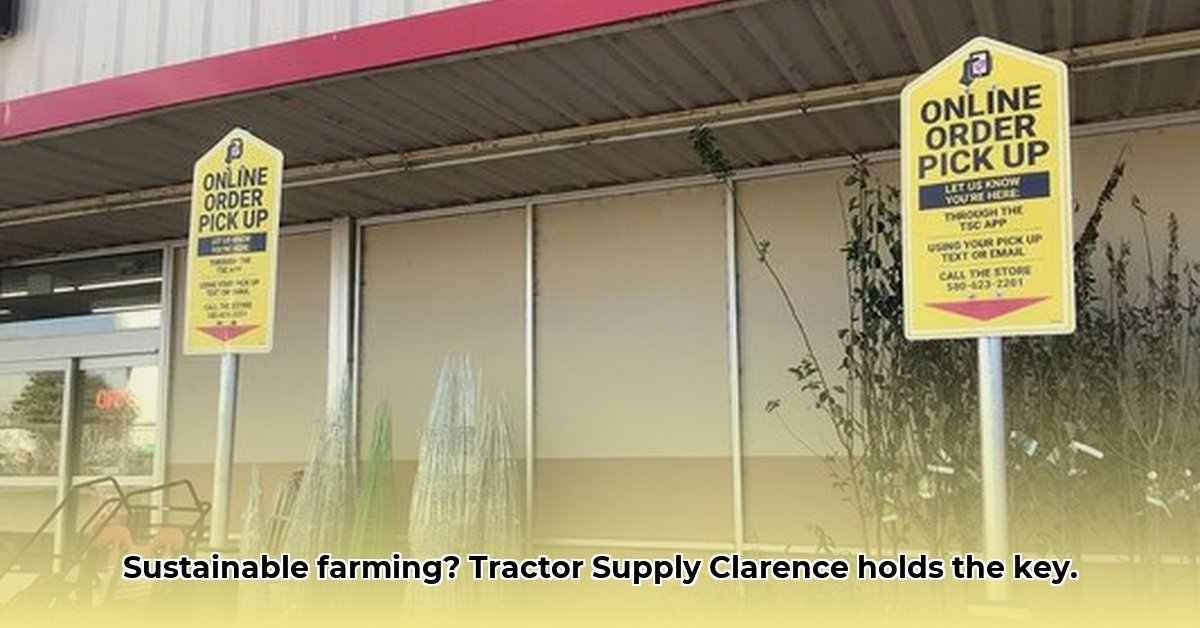
While Tractor Supply Company operates nationwide, individual store offerings and community impact vary. For example, not all locations have an operational garden center. The specific Tractor Supply Clarence store at 8945 Main St in Clarence, NY, may or may not offer a full garden center experience. Understanding these store-level nuances is critical to assessing the true accessibility of sustainable options for local farmers.
The Farmer's Voice: On-the-Ground Perspectives and Purchasing Decisions
Farmers are the crucial stakeholders in this discussion. Their adoption of sustainable practices directly influences the environmental impact of agriculture. While TSC's accessibility makes it a convenient supplier, farmers' buying decisions are determined by a complex interplay of factors including price, availability, and product familiarity. Gathering firsthand accounts from farmers regarding their TSC shopping experiences – what sustainable products they seek, whether TSC provides them, and their overall perception of the company’s sustainability commitment – is essential for a nuanced understanding. Further research, including qualitative studies, like interviews with farmers, is needed to grasp their lived experience and assess the real-world impact of TSC's offerings.
Indirect Influences and the Broader Agricultural Landscape
TSC's impact on sustainable agriculture extends beyond direct sales of sustainable products. Even a modest share of organic seed sales contributes to the overall market demand, potentially incentivizing increased production and wider availability. However, it's crucial to acknowledge the significant influence of broader forces: government policies promoting sustainable agriculture, educational programs aimed at improving farmers' knowledge and practices, and technological advancements impacting farming methods. TSC's operations are just one piece within a complex, interconnected system. To what extent do these broader forces overshadow the direct impact of TSC’s efforts?
Recommendations and Conclusion: A Call for Transparency and Collaboration
To comprehensively evaluate TSC's contribution to sustainable agriculture, improved transparency and data are crucial. We recommend:
- Independent Sustainability Audit: TSC should commission a thorough, independent audit of their supply chain's environmental impact, publicly disclosing its findings.
- Detailed Sustainability Report: TSC must publish regular, comprehensive sustainability reports detailing sourcing practices, environmental targets, and progress toward achieving those goals.
- Enhanced Communication: TSC should actively engage with farmers and consumers, providing clear information regarding the sustainability aspects of their products.
- Collaborative Initiatives: TSC should actively participate in collaborative projects with government agencies, environmental organizations, and other stakeholders to promote sustainable agriculture.
Only through enhanced transparency and data-driven assessments can we accurately gauge TSC's current role and potential for future contributions to a more sustainable agricultural sector. The need for collaborative efforts involving farmers, retailers, government agencies, and environmental organizations is paramount in fostering a truly sustainable future for agriculture.